
Exploring the psychology behind casino design
The allure of the casino environment
The design of a casino is not merely a reflection of architectural prowess; it is deeply rooted in psychology. Casinos are crafted to create an inviting atmosphere that captivates the senses and induces excitement. Bright lights, bold colors, and appealing sounds work together to stimulate players, drawing them into an immersive experience that encourages prolonged engagement. This sensory overload is intentional, as it can lead to increased spending and a heightened sense of adventure, especially when players consider the nrl betting odds that might enhance their gaming strategy. The environment is designed to be disorienting in a pleasurable way, allowing patrons to lose themselves in the thrill of the game.
Furthermore, the lack of windows and clocks in many casinos is a deliberate strategy. This design choice aims to eliminate awareness of time, making it easier for patrons to lose track of hours spent gaming. Studies have shown that when individuals are unaware of the passage of time, they tend to stay longer and, in turn, spend more money. This tactic exploits the psychology of immersion, where players can become so engrossed in their environment that they forget the outside world. By creating a bubble-like environment, casinos can effectively keep players engaged and invested in their gaming experience.
In addition to sensory experiences, the layout of a casino is meticulously planned to maximize foot traffic and social interactions. Casino designers often employ a maze-like structure, encouraging guests to wander through various gaming areas. This sense of exploration not only enhances the thrill of gambling but also increases exposure to more games, thereby tempting players to place additional bets. As such, the design of a casino serves a dual purpose: to attract and engage customers while subtly guiding their behavior to ensure they remain entertained and spending. The strategic placement of games and amenities plays a critical role in sustaining player interest and fostering a communal atmosphere.
The strategic use of colors and symbols
Colors have a profound impact on human emotions and behaviors, making their strategic use in casino design essential. For instance, red and gold are commonly used colors because they are associated with luck, prosperity, and excitement. Designers utilize these hues in carpets, walls, and signage to evoke positive emotions and influence players’ perceptions of their chances of winning. Studies indicate that vibrant colors can enhance feelings of happiness and enthusiasm, encouraging guests to engage more deeply with the games. The psychological effect of color can subtly manipulate mood and decision-making processes, making it a powerful tool in casino design.
Furthermore, symbols play a critical role in casino culture. Iconography such as dice, cards, and slot machines are not just decorative; they are fundamental elements that resonate with the expectations and aspirations of gamblers. These symbols serve as reminders of the potential for luck and reward, creating a strong psychological connection between the environment and the thrill of winning. By integrating these images into the overall design, casinos reinforce the notion of risk and reward, making the experience more enticing. This connection to familiar symbols can trigger excitement and nostalgia, enhancing the overall gaming experience.

Interestingly, the symbolism extends to the placement of game tables and slots. High-stakes tables are typically situated in prominent areas, attracting attention and creating an air of exclusivity. This strategic arrangement not only influences where players choose to gamble but also contributes to an overall sense of community within the casino, as patrons gather around popular games and share in the communal experience of winning or losing. The design choices surrounding color and symbol usage are thus essential in shaping player behavior and enhancing the overall ambiance of the casino.
The soundscape of a casino
Sound is another critical component in casino design, carefully curated to enhance player experience and contribute to the overall atmosphere. The rhythmic sounds of slot machines, the shuffling of cards, and the cheers of winners create an auditory landscape that stimulates excitement and encourages participation. These sounds are not random; they are strategically chosen to evoke feelings of joy and anticipation, reinforcing the notion that winning is always just around the corner. The harmonious blend of sounds can create an energetic environment that keeps players engaged and motivated to continue playing.
The use of ambient noise also serves a practical purpose. Research indicates that certain sounds can drown out conversations and make it easier for players to focus solely on the gaming experience. This environment fosters a sense of community among players, as they share in the auditory excitement, reinforcing their enthusiasm for participating in games. Additionally, the enticing sounds of wins can act as positive reinforcement, encouraging players to continue playing in hopes of experiencing the same exhilaration. The psychological impact of sound can significantly amplify the gambling experience, creating a more immersive environment.
Moreover, some casinos utilize specific sound frequencies to influence behavior. For instance, low-frequency sounds can create a sense of urgency, prompting players to make quicker decisions. Conversely, higher frequencies may promote relaxation, encouraging more prolonged play. By manipulating sound in these ways, casino designers tap into the psychological effects of auditory stimuli, ultimately driving player engagement and spending patterns. The right combination of sounds can enhance the thrill of the gaming experience, making it an essential aspect of casino design that should not be overlooked.
The role of space and layout in engagement
The physical layout of a casino is meticulously crafted to enhance player engagement and facilitate movement throughout the space. Designers strategically place high-traffic areas, such as bars and restaurants, within sight of gaming tables and slot machines, ensuring that guests are continuously surrounded by the sights and sounds of casino activity. This approach not only keeps the energy high but also tempts guests to indulge in food and drink while gambling, further increasing their overall spending. The integration of dining and entertainment options is a crucial aspect of maintaining a lively atmosphere.
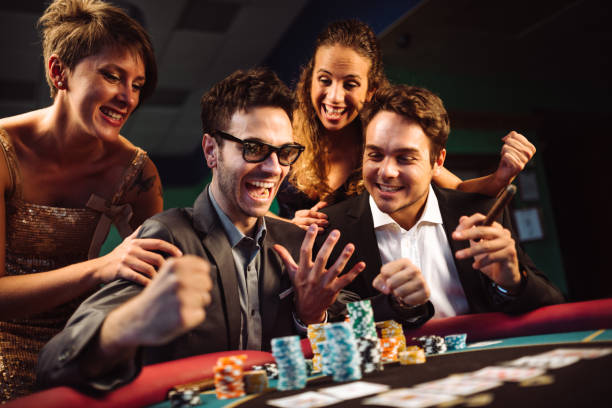
Moreover, the concept of ‘gambling zones’ is integral to casino design. By clustering similar games together, designers create an environment where patrons feel comfortable exploring different gaming options. For example, a dedicated area for high-stakes poker creates an exclusive atmosphere that attracts seasoned players, while family-friendly areas featuring penny slots appeal to casual gamers. This zoning maximizes player satisfaction and encourages a varied gambling experience, allowing patrons to choose an environment that matches their comfort level. The thoughtful arrangement of these zones fosters inclusivity and caters to a diverse range of players.
In addition to specific zones, the flow of traffic within the casino is intentionally designed to keep players engaged. Wide pathways and open spaces allow for easy movement between games, while strategically placed obstacles encourage exploration of less popular areas. This careful manipulation of space fosters a sense of adventure, drawing players deeper into the casino and increasing the likelihood of additional bets. The overall spatial strategy plays a crucial role in creating an immersive experience that captivates patrons and keeps them coming back for more. A well-designed layout enhances convenience and engagement, making it easier for players to navigate their gaming journey.
Understanding the visitor experience on digital platforms
In the digital age, understanding the visitor experience in online casinos has become increasingly important. Just as physical casinos leverage design to enhance engagement, online platforms are utilizing sophisticated user interface (UI) and user experience (UX) design to create immersive environments that replicate the thrills of traditional gaming. This transition to the digital realm requires a distinct approach, considering the different modes of engagement and interaction that users expect from online gaming. The challenge lies in creating a virtual space that feels just as exciting and dynamic as a physical casino.
Online casinos employ a variety of visual and interactive elements designed to captivate users and keep them engaged. Vibrant graphics, animated game features, and fast-loading interfaces are all integral components that enhance the online experience. These elements are designed to evoke the same excitement and anticipation that physical casino environments provide, ensuring that users remain interested and invested in their gaming sessions. The design must foster a seamless flow, allowing players to navigate effortlessly between different games and promotions, which is vital for retaining their attention and encouraging longer play sessions.
Furthermore, the psychology of rewards plays a significant role in the online gaming experience. Many platforms incorporate gamification elements such as loyalty programs, daily bonuses, and achievements that players can earn. These features cater to the human desire for recognition and accomplishment, encouraging players to return frequently in pursuit of rewards. By understanding these psychological triggers and integrating them into their designs, online casinos can replicate the attraction and retention of physical locations, creating a dynamic and engaging virtual space for users. The focus on user experience and engagement is paramount in the competitive landscape of online gaming.